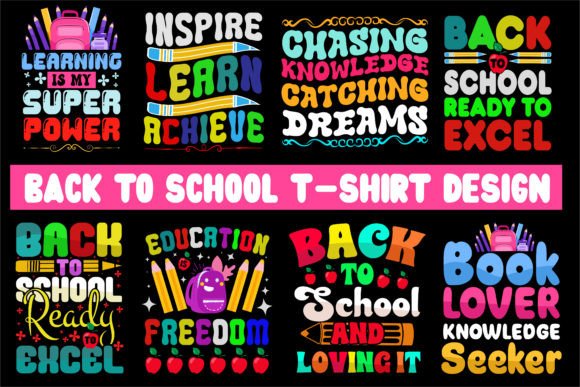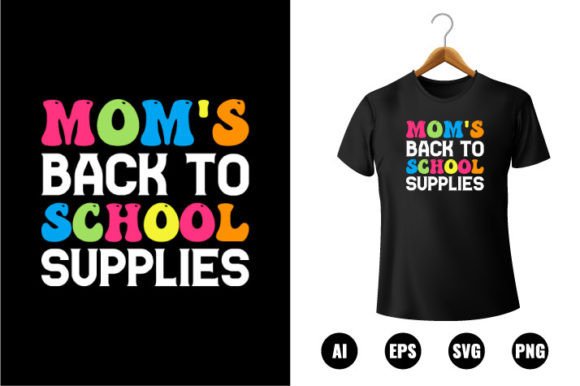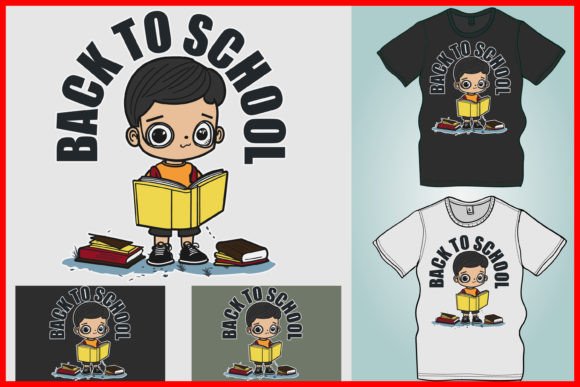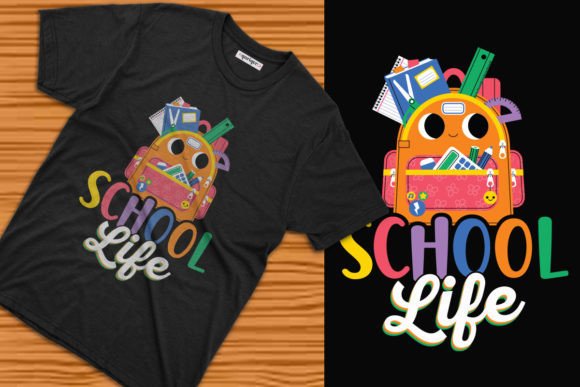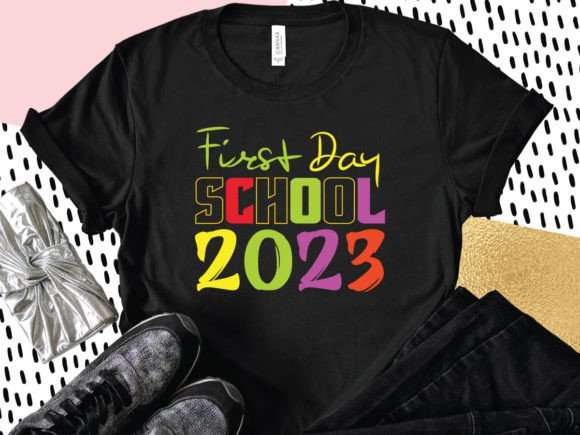
Back to School T-shirt 09
A Typography-First Design That Feels Like September Morning Light
When I opened Back to School T-shirt 09, what struck me first wasn’t the “first day school 2023” text—it was the rhythm of the letterforms. Clean, slightly rounded sans-serif with intentional spacing and subtle weight variation. It doesn’t shout; it smiles. As a designer who’s stitched hundreds of back-to-school projects—from baby onesies to teacher tote bags—I immediately pictured this on a soft cotton canvas tote, embroidered in navy thread with a single cream accent stitch outlining the “09.” No glitter, no cartoon apples, just quiet confidence. That’s its strength: it leans into typography as design language, not decoration.
Where This Embroidery File Truly Shines (and Where It Pauses)
Back to School T-shirt 09 works beautifully on structured, medium-weight fabrics where stitch definition matters: sweatshirt fronts, denim aprons, twill caps, and linen tea towels. I tested a scaled-down version (75% size) on a lightweight unlined cotton pillow cover—stabilized with tear-away + light cutaway—and the letter clarity held up. The clean lines translated directly into crisp satin stitch edges and even fill stitch density. Customers notice that polish. A parent buying a personalized gift for their child’s kindergarten teacher isn’t just buying a phrase—they’re buying *intention*. This design delivers that.
That said, it’s not universally forgiving. On highly textured fabrics like heavy terry cloth or bouclé knit, the subtlety of the letter spacing can blur. On stretchy jersey tees without proper stabilizer support, the horizontal strokes risk puckering. And while the “09” is charming, those tight curves demand attention: test stitch that numeral on scrap fabric first. If your machine struggles with tight satin stitch turns, consider simplifying the zero’s inner curve manually—or use it as-is on stable, non-stretch items only.
Real Project Fit: From Nursery Decor to Boutique Merchandise
Last week, I used Back to School T-shirt 09 to embroider a set of three organic cotton baby blankets—each with a different year (2023, 2024, 2025) in the corner. The design scaled down cleanly to 3.2 inches wide without losing legibility. Parents loved the understated elegance; one even ordered matching embroidered bibs using just the “09” as a standalone motif. That flexibility—full phrase or extracted element—is rare in T-Shirt Designs meant for embroidery.
For Etsy sellers and small shop owners, this is a smart digital embroidery file to bundle: pair it with coordinating monogram files or minimalist school supply icons (pencil, open book, backpack) for a cohesive collection. It also performs well in printable mockups—its balanced layout and neutral tone translate clearly across light and dark backgrounds, making product listings feel trustworthy and professional.
What Happens When You Skip the Prep (and Why You Shouldn’t)
I once rushed a batch of embroidered canvas lunch totes using Back to School T-shirt 09 without checking thread contrast on the actual fabric. The charcoal gray thread looked perfect on my white screen—but vanished against the heather gray tote. Lesson learned: always run a black-and-white mockup *and* stitch a physical sample. Also, verify stitch density. While this design avoids excessive fill, dense satin borders around letters can trap moisture in layered garments like hoodies. For commercial embroidery, confirm whether your machine handles fine-tuned underlay well—especially if stitching on fleece-backed sweatshirts.
Design Integrity Meets Customer Trust
Handmade products carry emotional weight. When someone buys an embroidered item from your craft business, they’re not just purchasing apparel—they’re investing in care, consistency, and quiet craftsmanship. Back to School T-shirt 09 supports that narrative. Its lack of clip-art clutter means it won’t date quickly. It feels hand-selected, not auto-generated. That builds buyer engagement: customers tag you in photos, share styling ideas, and return for seasonal variations. For boutique branding, it pairs seamlessly with neutral palettes and natural fibers—no visual competition, just calm cohesion.
Practical Notes Every Embroidery Designer Should Keep Handy
- Test before you commit: Stitch Back to School T-shirt 09 on scrap fabric matching your final project’s weight, stretch, and texture.
- Stabilizer is non-negotiable: Use cutaway for knits, tear-away for stable wovens, and add topping for napped or fuzzy surfaces.
- Thread color matters more than you think: Try matte cotton or rayon threads—not polyester—when aiming for soft, handmade warmth.
- Hoop size check: Measure the design’s widest point. If it’s near your hoop’s edge, reposition or resize to avoid tension distortion.
- Review licensing carefully: Since this is a Graphics file marketed for digital use, confirm whether commercial embroidery rights are included before selling finished products or reselling the file.
- Small details need scrutiny: Zoom in on corners, serifs, and the “09” junction—tight angles may require manual digitizing tweaks for optimal satin stitch flow.
Final Thought: Less Is Legible, and Legible Builds Loyalty
Back to School T-shirt 09 doesn’t try to do everything. It doesn’t cram in stars, backpacks, or chalkboard textures. It trusts the power of clear typography, thoughtful spacing, and quiet relevance. In a market flooded with busy, over-digitized school-themed embroidery files, that restraint is its greatest asset. Whether you’re stitching a single personalized gift or producing 50 embroidered tote bags for a local PTA fundraiser, this design helps your work feel considered—not just completed. That’s how small creative businesses earn repeat customers, heartfelt reviews, and real word-of-mouth momentum.